Making Parking Work for People: WSP on Liveable Neighbourhoods, Inclusive Design and Real-World Delivery Ahead of Parkex 2026, we spoke to Tina Glover, Regional Director for Liveable Places, about liveable neighbourhoods, gender inclusive design, moving traffic enforcement and what it really takes to deliver parking reform under pressure.
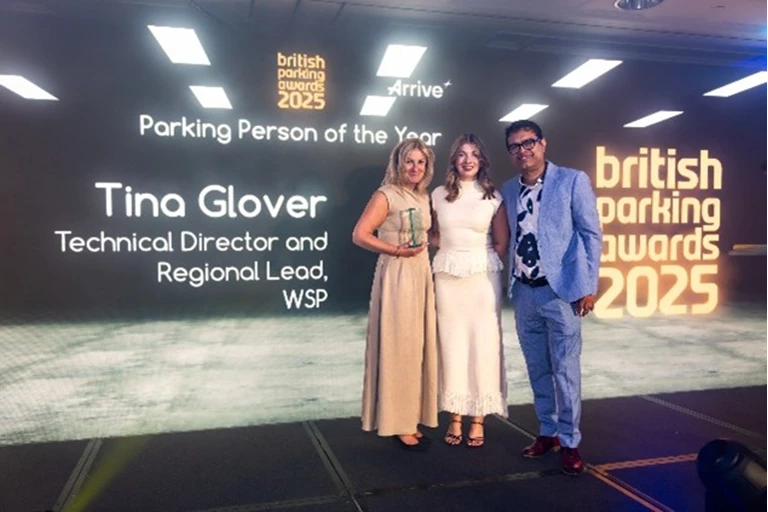
1) WSP's parking and traffic consultancy team has won at the British Parking Awards for four consecutive years, most recently taking home Parking Person of the Year in 2025. What does that kind of recognition mean to the team, and what do you think sets you apart?
Awards like this matter because they are judged by peers who understand the complexity of parking. It’s a recognition of our real world impact.
For our team, it’s recognition of the way we work: collaboratively, practically and with a sharp focus on delivery. What sets WSP apart is the depth of our local government experience combined with strong technical capabilities and industry experts. Many of our people have worked directly within councils, so we understand the pressures officers face and the need for solutions that are workable, defensible and aligned with local priorities.
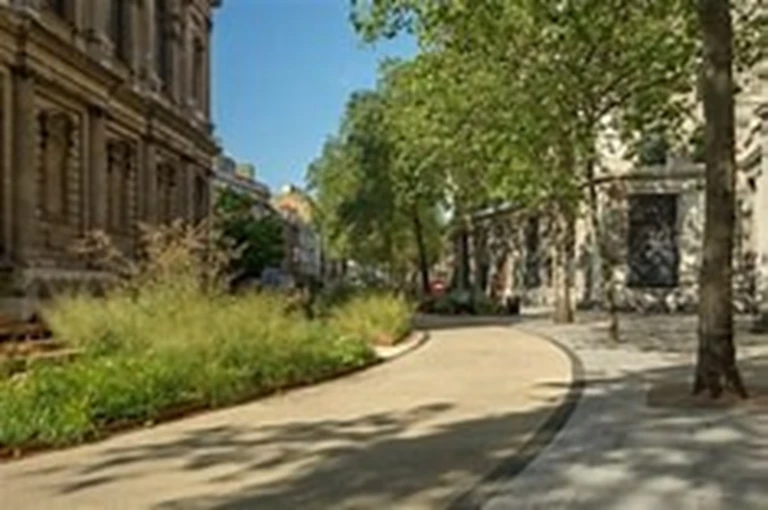
Strand Aldwych: Repurposing a congested London road into a vibrant public space | WSP
2) Liveable neighbourhoods is a phrase that gets used a lot right now. What does it actually mean in practice, and what does a successful scheme look like on the ground?
In practice, liveable neighbourhoods are about creating places that work for everyday life. A successful scheme isn’t just one that reallocates road space – it’s one that responds to how people actually use streets, balances competing needs, and evolves over time. Getting that balance right requires careful design, robust evidence and meaningful engagement. A great example of this is the award winning Strand Aldwych public realm project in London that has transformed a congested and polluted street into a vibrant public space by reconfiguring motor vehicles and reallocating road space.
Read more: Strand Aldwych: Repurposing a congested London road into a vibrant public space | WSP
3) You work with local authorities right from early concept through to on-street delivery. Why is that end-to-end involvement so important, and where do schemes most often go wrong when that continuity isn't there?
End-to-end involvement is critical because decisions made at the concept stage have direct implications for delivery, enforcement and long-term success. Too often, schemes struggle because early thinking hasn’t fully considered legal requirements, operational realities or enforcement implications.
Where continuity is missing, we see disconnects – TROs that don’t align with what’s built, designs that can’t be enforced effectively, or schemes that lose public trust. By staying involved throughout, we help authorities manage risk, maintain clarity of intent and deliver schemes that stand up to scrutiny.
4) TROs are often seen as a blocker - slow, costly, contentious. How does WSP help authorities navigate that process more efficiently?
TROs are frequently viewed as a hurdle, but the challenges usually stem from how and when they’re approached. When TROs are treated as a final step rather than part of the overall scheme design, problems arise.
We support authorities by integrating TRO considerations early in scheme design, ensuring proposals are legally robust, clearly articulated and supported by evidence. Our experience allows us to anticipate objections, advise on proportionate responses and help councils navigate consultation more effectively. That leads to smoother delivery and regulations that are more resilient to challenge.
5) You mention Gender Inclusive Mobility and Design as a specialism - it's not something many consultancies lead on. Can you explain what that means and why it matters in the context of parking and neighbourhood design?
Gender Inclusive Mobility and Design is about recognising that people experience streets and transport differently. Factors such as personal safety, caring responsibilities and time of travel all influence how comfortable and confident people feel using public space. It’s not about designing for one group at the expense of others; it’s about creating environments that work better for everyone. When parking and neighbourhoods feel safer, clearer and more inclusive, they are more likely to be used as intended and supported by the communities they serve.
At WSP, this work is led by Susan Leadbetter and her team, who are at the forefront of embedding gender-informed thinking into transport, parking and neighbourhood design. They are currently supporting Active Travel England as part of the new national programme focused on making streets safer and more inclusive for women and girls.
Learn more:
- #weareawsp | WSP in the UK & Ireland
- English councils to get guidance on designing safer streets for women and girls | Planning policy | The Guardian
6) Local authorities are under enormous pressure - politically, financially, operationally. How do you tailor your approach to work within those real-world constraints rather than around them?
Local authorities don’t need idealised solutions; they need approaches that are achievable within existing constraints. That means understanding each of our clients and their political context, funding limitations, staffing capacity and local sensitivities before recommending a way forward.
Often our role is about helping officers prioritise, phase delivery and manage risk. Working within constraints isn’t a compromise – it’s how sustainable change is delivered.
7) Your team has direct public sector experience. How much of a difference does that make when you're advising councils on complex reform programmes?
It makes a significant difference. Having worked inside local government, we understand committee processes, scrutiny, political cycles and the realities of implementing change under pressure and navigating through the red tape.
That insight allows us to act as a trusted adviser and critical friend, offering advice that is technically sound but also institutionally credible. For complex reform programmes, that understanding is invaluable.
8) Moving traffic enforcement is an area many authorities are still getting to grips with. What are the biggest challenges you're seeing, and how are you helping clients build confidence in that space?
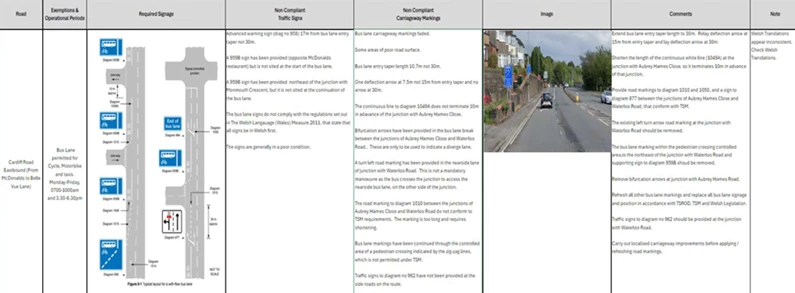
The main challenges tend to be around governance, readiness and public perception. Authorities want to manage their networks more effectively, but there can be uncertainty around powers, compliance and the risk of challenge.
We help clients throughout their transition by building financial forecasting tools and business cases, advising on site and TRO compliance, reviewing operational readiness and helping authorities communicate clearly with the public. We have built a site prioritisation tool that focuses on the non-monetary benefits of enforcement which provides Local Authorities and stakeholders with proportionate and transparent enforcement that supports wider transport and place objectives.
9) You describe your solutions as data-led. What kinds of data are driving the most impactful decisions for your clients right now?
The most impactful decisions are increasingly being driven by a combination of traditional traffic and parking data alongside insights from technology and digital platforms. Occupancy, duration, turnover and compliance data remain essential, but the growing availability of information from parking apps and digital payment systems is adding a much richer layer of understanding.
Technology-enabled data helps authorities see how and when spaces are actually being used, how demand varies by time of day or location, and how different user groups interact with the network. When combined with behavioural insight and community feedback, this creates a far more rounded evidence base.
Our role is to help authorities bring those data sources together and use them intelligently – to test assumptions, monitor impacts and refine schemes over time. Crucially, robust data also helps build confidence with members, stakeholders and the public by clearly demonstrating why decisions are being made and what outcomes they are intended to achieve.
10) What's the one thing you'd want visitors to Parkex to come away knowing about WSP's work in this space?
That WSP understands local government and delivers solutions that work in the real world. We bring together strategic thinking, technical expertise and practical delivery, underpinned by extensive experience in traffic and parking.
Our focus is always on helping authorities create places that function better – for people, communities and the future.
Learn more: WSP | Global engineering and professional services firm | WSP
Visit WSP on stand P57 at Parkex 2026.